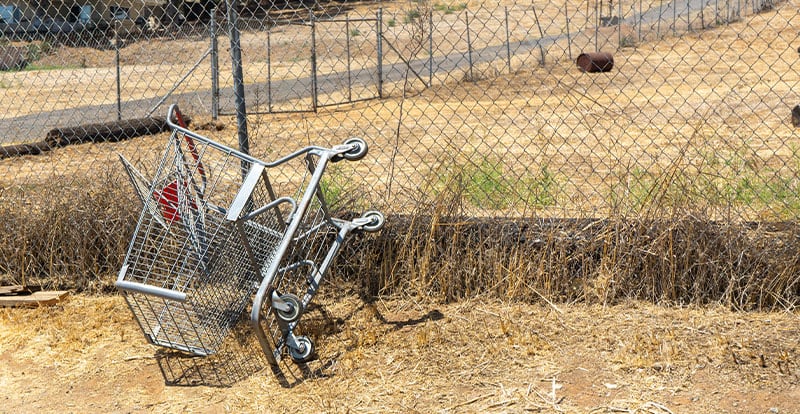
Abandoned carts happen because not every cart is created by a serious shopper, and not every checkout session is healthy.
When we see a spike in abandoned carts, I do not assume it is automatically a pricing problem, a bad product page, or weak remarketing. A cart can be abandoned because a real shopper got surprised by shipping costs, but it can also happen because bots are clicking through the site, people are testing coupon codes, fraudsters are testing stolen credit cards, or the checkout is simply broken.
That is why the first step is not to send more abandoned cart emails. The first step is to figure out what kind of abandonment you are looking at.
The first thing I check is whether checkout is actually working.
The first thing I check during a sudden abandoned cart spike is the technical checkout flow. Before blaming ads, pricing, or customer intent, we need to know whether shoppers can actually complete an order.
Technical problems are a big one. Merchants often misread them as a marketing issue because the symptom looks the same: people add products to cart, start checkout, and leave. But behind the scenes, the problem might be a payment button that does not fire, shipping rates that fail to load, a third-party app conflict, a broken discount field, or a payment gateway issue.
I usually walk through the checkout like a customer and test the basics:
- Can I add the product to cart?
- Does the cart update correctly?
- Can I enter customer details without form errors?
- Do shipping rates appear?
- Do discount codes apply correctly?
- Can I reach the payment step?
- Can a test payment or low-value real order be completed?
After that, I dive into analytics to see where people are dropping off in the flow and in the forms. If everyone leaves at the same step, that is usually a signal. A normal checkout funnel has drop-off across multiple steps. A broken checkout often has one step where behavior falls off a cliff.
Bot traffic is a common cause when carts spike suddenly.
Bot traffic can create abandoned carts because bots can click ads, browse products, add items to cart, and move through a site much faster than a real human would.
You can often tell bot traffic from real shopper traffic by behavior. A bot may hit a page, add to cart, reach checkout, and bounce in seconds. A real shopper usually takes more time. They compare products, scroll, read shipping information, check reviews, or go back and forth before making a decision.
The speed of navigation is one of the first things I look at. If a large percentage of cart sessions are moving through the site unrealistically fast, I treat that as a warning sign. I also look for patterns like repeated sessions from the same locations, strange device or browser combinations, unusually high click volume with no engagement, and checkout sessions with no normal product research behavior.
This matters because abandoned cart metrics can get inflated by traffic that never had purchase intent in the first place. If bots are creating carts, the abandonment rate is not telling you the same story as a real shopper leaving because of price, shipping, or trust concerns.
Low-quality paid traffic.
Low-quality traffic from paid sources like Google Display can increase abandoned carts when it brings in broad, low-intent, or bot-heavy traffic.
I see this a lot with newer merchants who get promotional ad credit and want to start fast. Display and Performance Max are not always the most targeted places to spend early budget, especially Display. Display is mass advertising. It can put your ads in front of a lot of people, and it can also put your ads in front of bots, accidental clickers, and users who were never shopping for your product.
The abandoned cart pattern usually looks different from healthy shopping behavior. You may see more clicks, more product views, more add-to-carts, and more checkout starts, but not a matching lift in purchases. If the traffic is low quality, the cart activity looks busy but revenue does not follow.
Signals that point toward low-quality Display or Performance Max traffic include:
- A sudden traffic spike that lines up with the campaign launch
- Very short session durations
- Fast movement from landing page to cart
- Lots of checkout starts with very few completed orders
- High activity from placements, apps, or locations that do not match your buyer
- Cart abandonment rising without a clear change to the site, pricing, or shipping
This does not mean Display or Performance Max can never work. It means we need to be careful when interpreting abandoned carts from broad campaigns. A spike in carts from these channels is not always demand. Sometimes it is just traffic quality showing up in your checkout data.
Coupon code testing can create fake-looking cart behavior.
Coupon code testing can create abandoned carts because shoppers, bots, or deal-seekers may start checkout only to test whether discount codes work.
This is especially common when a discount field is visible in checkout. Some shoppers pause the purchase to search for coupons. Others try random codes, browser extensions, influencer codes, leaked codes, or expired offers. If they cannot get the discount they want, they may abandon the cart.
Not all coupon testing is malicious. Real customers do it too. But when there is a sudden increase in checkout starts with repeated discount attempts and no purchase, I start looking more closely.
The data can show patterns like multiple failed coupon attempts, carts reaching the discount step but not payment, or repeated sessions testing the same products. If a merchant is running promotions, I also check whether the advertised offer matches what shoppers see in checkout. A mismatch between “free shipping” messaging and final checkout pricing can create abandonment that looks like coupon hunting but is really confusion.
Stolen credit card testing often shows up as failed or declined orders.
Stolen credit card testing often causes abandoned carts because fraudsters are not trying to shop normally, they are trying to see which cards will authorize. Demand Sage says $48 billion will be lost to fraud this year.
The first sign we usually see is a large influx of failed or declined orders. That is often when a client alerts us and asks us to take a look. The abandoned carts may be part of the same pattern because the fraud attempt starts like a normal checkout session, then fails at payment.
This is different from normal shopper abandonment. A real shopper may stop before entering payment details. A card tester often reaches the payment step repeatedly. You may see many failed payment attempts, repeated checkout sessions, low-value products used for testing, mismatched billing details, or a sudden jump in declined transactions.
When this happens, we look at both ecommerce data and payment gateway data. The cart abandonment report alone does not tell the full story. Failed authorization logs, fraud filters, IP behavior, velocity rules, and declined order patterns are usually more useful for confirming what is going on.
Shipping costs and final-step pricing changes can stop real shoppers.
Unexpected shipping costs, taxes, and final-step price changes can increase abandoned carts because shoppers feel the real total only after they have already invested time in checkout.
Shipping sticker shock is a real issue. I do not have a universal benchmark I trust for every store because the impact depends on product price, margin, category, customer expectations, and competitor offers. But I have seen it affect abandonment a lot when the shopper expects one price and sees another at the final step.
One practical way we test this is by changing the shipping offer with coupons or controlled promotions. For example, we may test a free shipping coupon, a reduced shipping threshold, or a discount that offsets shipping cost. If checkout completion improves when shipping friction is reduced, that gives us a stronger signal than simply guessing from the abandonment rate.
The key is to isolate the issue. If traffic quality, checkout errors, and fraud attempts are all happening at the same time, it is hard to say shipping is the cause. That is why I prefer to check the technical flow and traffic quality first, then test pricing or shipping friction.
A non-branded checkout page can make a store feel risky.
A non-branded checkout page can increase abandoned carts because people want to know they are paying who they think they are paying.
This is especially important for smaller or newer brands. If a shopper goes from a polished product page to a checkout page that looks completely different, that can raise red flags. They may wonder if they were redirected, if the payment is secure, or if the site is legitimate.
Trust signals matter most when the shopper is about to enter personal and payment information. The checkout should feel connected to the same brand they were just browsing. That usually means consistent logo use, matching visual style, clear business name, recognizable payment methods, visible policies, and no strange redirects that make the experience feel disconnected.
A scammy-looking site experience can also create abandonment before checkout. Thin product pages, unclear contact information, missing policies, aggressive popups, odd pricing, and poor mobile usability can all make shoppers hesitate. But the payment step is where that hesitation becomes measurable abandonment.
Normal abandoned carts look different from problem traffic.
Normal abandoned carts usually show slower, more varied shopper behavior, while coupon testing, bot traffic, card testing, and broken checkout flows tend to create sharper patterns.
A real shopper may browse multiple products, compare variants, read reviews, check delivery dates, and leave because they are not ready. That is normal. Not every cart is a lost sale you could have saved.
Problem traffic usually has stronger signals. Bots move too fast. Coupon testers cluster around the discount field. Card testers create failed or declined orders. Broken checkout flows show concentrated drop-off at one step. Low-quality ad traffic creates lots of activity without matching revenue.
Before we retarget everyone or trigger abandoned cart emails, we need to know who is actually abandoning. Sending email flows to fake carts, bot sessions, or fraud attempts can pollute performance data and make the marketing team chase the wrong fix.